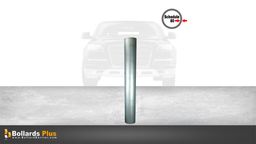
1. Why should I verify the wall thickness used for 6″ steel pipe bollards?
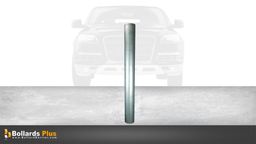
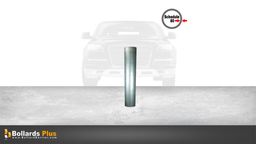
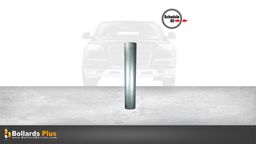
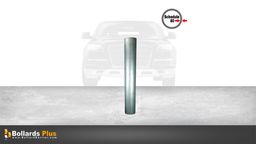
Schedule 40 steel pipe is commonly specified for 6″ bollards because its thicker wall provides greater structural rigidity and durability when embedded in concrete. However, in some cases thinner wall pipe such as Schedule 10 may be substituted in order to reduce material costs. Because the outside diameter of the pipe remains similar, this substitution can be difficult to identify once the bollard is installed.
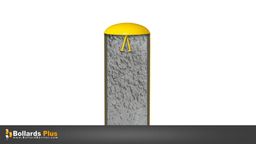
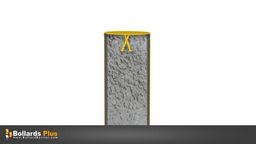
In many installations the bollard is set in concrete and may also be filled with concrete, which means the actual wall thickness is not visible after installation. As a result, thinner wall pipe can sometimes be used without the difference being immediately apparent to the project owner or facility manager.
Using thinner wall pipe significantly reduces the amount of steel in the bollard and may increase the likelihood of bending, deformation, or premature failure if the bollard is contacted by a vehicle. Verifying that the specified wall thickness is used helps ensure the installed bollards provide the level of protection originally intended for the project.
2. What is the difference between buying 6″ steel pipe from a steel supplier and purchasing a manufactured bollard?
Steel pipe purchased from a general pipe supplier is typically sold as raw material, not as a finished protective bollard. Raw pipe often arrives with mill coatings, oils, or protective lacquers that must be removed before painting, and additional fabrication steps such as cutting to length, surface preparation, priming, painting, and adding caps or baseplates may still be required before installation.
A manufactured bollard from Bollards Plus is fully prepared for installation, with proper surface preparation, coating systems, and fabrication options already completed. This helps ensure consistent quality, better coating performance, and a product designed specifically for vehicle protection rather than general pipe use.
For projects that require bare steel pipe only, Bollards Plus can also supply cut pipe at competitive pricing, particularly on larger volume orders. This allows customers to source raw material directly from a manufacturer while maintaining flexibility for field fabrication or specialty coating systems.
3. What is the most common diameter used for commercial bollards?
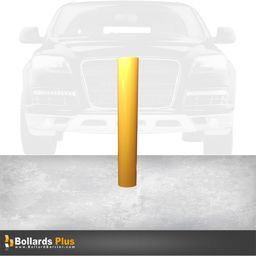
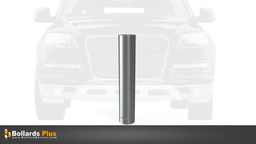
6″ steel pipe bollards are one of the most commonly specified diameters for commercial building protection. Their larger diameter provides greater structural rigidity than smaller bollards while maintaining a practical footprint for storefronts, parking facilities, and warehouse environments.
4. What is the most commonly specified height for a 6″ inground steel pipe bollard?
The 6″ × 84″ configuration is frequently specified because it provides a broad range of usable above-grade heights—typically 36″ to 48″ of exposed bollard—while maintaining adequate embedment depth for stability and structural strength in in-ground installations. This balance makes the 6×84 a versatile option across a wide variety of site layouts and exposure conditions.
5. Should I choose a pre-painted Safety Yellow finish or bare steel pipe?
Choose pre-painted Safety Yellow when fast installation and a consistent, ready-to-set finished appearance are priorities. Choose bare steel pipe when the project requires field-applied coatings, specialty coating systems, custom colors, or hot-dip galvanizing.
6. How deep should a 6″ steel pipe bollard be embedded?
Embedment depth is typically determined by site conditions and intended function, with deeper embedment providing increased stability and rigidity, particularly for taller above-grade heights. Final embedment depth should be guided by project plans and any applicable engineered requirements.
7. Are most 6″ steel pipe bollards made from Schedule 40 pipe?
Yes—Schedule 40 steel pipe is the most commonly specified standard for 6″ steel pipe bollards because its thicker wall provides greater rigidity and durability in in-ground installations. Compared to thinner-wall options such as Schedule 10, which are often used to reduce initial material cost, Schedule 40 offers improved resistance to bending, deformation, and long-term fatigue once embedded in concrete. For higher-demand or site-specific applications, heavier wall configurations may also be specified to further enhance strength and performance.
8. When should I consider a 6″ extra heavy (Schedule 80 / heavy wall) bollard instead?
Specify extra heavy wall (Schedule 80) steel pipe when maximum rigidity and impact resistance are required. The increased wall thickness provides greater resistance to bending and deformation from vehicle contact or heavy equipment. Schedule 80 bollards are commonly specified for high-exposure areas, loading zones, and applications governed by engineered protection requirements where additional structural margin is desired.