Skip to Content

Steel Pipe Bollards - Inground & Embedded Bollard Systems

Steel pipe bollards are a widely used form of physical protection and visual guidance in commercial, industrial, and municipal environments. When installed using inground or embedded mounting methods, these bollards provide long-term durability, consistent performance, and a clean, permanent installation suited for areas exposed to vehicle traffic and equipment movement.

This page serves as a comprehensive reference for steel pipe bollards, explaining how they are designed, manufactured, installed, and specified, including material selection, embedment methods, diameter considerations, finishes, and customization options. It is intended to support engineers, contractors, facility managers, and specifiers in making informed decisions, while size-specific options and configurations are detailed within the dedicated diameter product categories.

What Is a Steel Pipe Bollard?

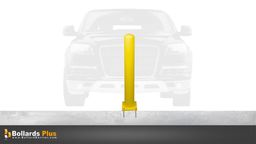
A steel pipe bollard is a vertical protective post fabricated from structural steel pipe and used to control vehicle access, protect assets, guide traffic, or improve site safety. Unlike decorative or lightweight posts, steel pipe bollards are designed to withstand repeated exposure to vehicles, equipment, and environmental conditions.

Steel pipe construction is preferred because it provides consistent wall thickness, predictable strength characteristics, and compatibility with embedded installation methods. Most steel pipe bollards will be specified as A53 or ASTMA500 to ensure the bollard a high degree of structural strength, durability and impact resistance. A53 Grade B is preferred given it's yield strength (35,000 psi minimum) and tensile strength (60,000 psi minimum) over Grade A (typically only suitable for fencing and deterrent applications). When set below grade, steel pipe bollards function as permanent guard posts integrated directly into the surrounding pavement or slab.

Steel pipe bollards come in a wide variety of sizes, thicknesses and configurations and may be commonly referred to as bollard posts, guard post bollards, steel bollards, metal bollards, protective posts, inground bollards or embedded bollards, depending on application and industry terminology.

Inground / Embedded Bollard Installation Explained

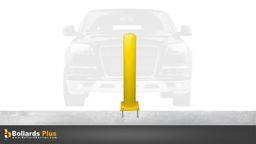
Inground, or embedded, bollard installation refers to setting the bollard directly into the ground and securing it with concrete rather than mounting it to the surface with anchors or base plates. This method creates a permanent installation that relies on embedment depth, concrete bonds, and surrounding substrate for stability.

During installation, the embedded steel post is placed into an excavated hole or footing and aligned vertically. Concrete is then poured around the pipe, and in many cases, the interior of the pipe is also filled with concrete (though not necessary for strength, it is an outdated way of sealing the top of the bollard prior to wet-set or welded caps). Once cured, the bollard becomes an integral part of the site structure.

Embedded installation distributes force below grade and reduces reliance on surface fasteners. This makes embedded steel post bollards particularly well suited for applications where protection, long-term durability, reduced maintenance, and clean aesthetics are priorities.

Because embedment depth and mechanical bonding mechanisms play a significant role in performance, inground bollards are often specified when permanence and structural integration are more important than removability.

Schedule 40 Steel Pipe & Wall Thickness Considerations

Steel pipe bollards are commonly fabricated from, at a minimum, Schedule 40 steel pipe heavy-wall pipe. Wall thickness is a critical factor in bollard performance, as it directly affects rigidity, durability, and resistance to deformation.

Three types of pipe schedules can be found in steel pipe bollards, with the most common being Schedule 40. Schedule 40 steel pipe provides a balance between strength and practicality, offering sufficient wall thickness for embedded applications without excessive material cost. Thinner-wall pipe (schedule 10) or lightweight tubing posts may appear similar at a glance (most have the same O.D. or outside diameter) but often lack the durability required for long-term service in vehicle-exposed environments.

When comparing steel pipe bollards, it is important to evaluate the wall thickness, material grade and outside diameter, as these characteristics together determine overall performance. Established manufacturers typically specify pipe grade and wall thickness to ensure consistent results across installations.

Choosing the Right Bollard Diameter

Bollard diameter selection is one of the most important design decisions when specifying steel pipe bollards. Diameter influences visibility, mass, rigidity, and cost, and different sizes are suited to different applications.

4-inch diameter bollards (typically schedule 40 with an OD of 4.50") are commonly used for safety-oriented applications where visual deterrence and driver awareness are the primary objectives. They offer a compact footprint and cost-efficient solution for guiding traffic and marking protected areas.

5-inch diameter bollards (typically schedule 40 with an OD of 5.563") provide increased strength compared to 4-inch sizes while remaining more space-efficient and affordable than larger diameters. While not as common and sometimes difficult to source, this protective post size is often selected for constrained safety applications and areas where added rigidity is desired without significant cost increases.

6-inch diameter bollards (typically schedule 40 with an OD of 6.625") represents the most widely used balance between visibility, strength, and versatility. They are frequently specified for general security, asset protection, and access control across a broad range of commercial and industrial environments.

8-inch diameter bollards are selected when maximum visual presence and increased physical deterrence are required. Their larger diameter provides greater mass and authority for high-exposure or perimeter applications.

Understanding how diameter impacts performance allows specifiers to select the appropriate bollard without oversizing or unnecessary material cost.

Safety vs. Security Applications

Steel pipe bollards are used in both safety-focused and security-focused applications, and understanding the distinction helps ensure proper selection.

Safety-oriented bollards are primarily intended to improve visibility, guide vehicle movement, and reduce accidental encroachment into pedestrian or protected areas. These applications emphasize driver awareness and site organization rather than high-impact resistance.

Security-oriented bollards prioritize physical presence and deterrence, often using larger diameters and deeper embedment to protect assets, infrastructure, or controlled access points.

While embedded steel pipe bollards provide meaningful resistance, they are not inherently crash-rated systems unless specifically engineered and tested for that purpose. Clear differentiation between safety, deterrence, and engineered security applications helps align expectations with performance.

Bollard Finish Options & Corrosion Protection

Finish selection plays an important role in both the appearance and longevity of steel pipe bollards. Common finish options include painted steel, bare steel for field finishing, and galvanized coatings for enhanced corrosion resistance.

The appropriate finish depends on environmental exposure, visibility requirements, maintenance expectations, and project specifications. High-traffic outdoor environments, coastal regions, and industrial sites may require different corrosion protection strategies than interior or sheltered installations.

Most steel pipe bollards have historically been painted using common asphalt or industrial paints due to availability and cost. Unfortunately most of these these paints are not designed to be applied directly to metal, as well as hold up to UV exposure. This leaves steel pipe bollards with coating issues like flaking, rusting, chipping and fading.

Ideal coatings for steel pipe bollards should have several stages to ensure proper protection and should be designed to work together. Using a budget primer may prevent the top coat from properly to the steel. Not preparing the steel by removing oils and lacquers from the mills or corrosion from storage, greatly impacts the primers ability to bond to the substrate. Selecting a top coat that does not have a clear coat application will result in a lower gloss (lower visibility) as well as an significant fading or chalking after prolonged UV exposure. For these reasons, bollards often have to be repainted every 12-18 months to retain their visibility and corrosion protection.

Selecting the right finish helps extend service life and reduce maintenance costs while maintaining visibility, beauty and performance over time.

Pre-Painted Bollards & Epoxy/Urethane Coating Systems

Ideally pre-painted steel pipe bollards are finished prior to shipment using controlled coating processes that provide consistent coverage and quality. High-performance epoxy/urethane paint systems are commonly used for applications requiring long-term durability and visibility.

In a multi-stage epoxy/urethane system, an epoxy base layer enhances adhesion by bonding to the metal substrate and thereby increases corrosion protection, while a urethane topcoat with clear coat provides a smooth, high-gloss finish with excellent color stability. This combination delivers superior performance compared to single-coat or primer-only finishes.

Pre-painted bollards greatly reduce the need for on-site painting, reducing installation time, labor cost, and project complexity. This approach provides a professional finished appearance while improving overall bollard performance and useful lifespan.

Galvanized Steel Pipe Bollards

Galvanizing is another corrosion protection option used for steel pipe bollards in environments where exposure to moisture, chemicals, or corrosive conditions is a concern. Hot-dip galvanizing coats the steel with a protective zinc layer that provides long-term resistance to corrosion.

Galvanized steel pipe bollards are commonly specified for coastal regions, industrial facilities, utility sites, and infrastructure applications. In some cases, galvanizing may be combined with additional coatings depending on project requirements.

While hot-dip galvanizing is a very effective corrosion protection method, it does some with drawbacks. In order to dip the bollards in zinc, vent holes must available on both ends of a bollard. With basic steel inground bollards this is not typically an issue, however if a plate or cap is welded to the inground bollard, this must be included and patched after galvanizing.

Another drawback to galvanizing is from the surface condition and it's appearance under paint. Galvanized steel can off-gas (from weather conditions or quenching) which can cause paint to bubble and debond. Galvanizing does not leave a smooth, blemish free surface therefor paint may not have the smooth modern and professional look needed in less industrial more architectural application areas.

Zinc is designed to slowly release compounds as the protective coating weathers. While this aids in zinc's protective abilities, it also contributes to water pollution. For this reason, many municipalities and protected areas do not allow for galvanized steel post bollards.

Because galvanizing involves additional processing considerations, availability and suitability may vary by bollard size, installation area and configuration. Specifiers should evaluate environmental conditions and long-term maintenance expectations when considering galvanized options.

Environmental & Regional Considerations

Steel pipe bollards may be specified differently depending on geographic and environmental conditions. For example, in coastal environments with high salinity exposure, galvanized bollards or specialty coating systems are often recommended to resist corrosion. In northern climates with freeze-thaw cycling, embedment depth and concrete mix design are adjusted to prevent frost heave and maximize long-term performance.

Common Bollard Customization Options

Steel pipe bollards are frequently customized to meet specific site conditions, performance requirements, and aesthetic goals. While standard configurations address many applications, embedded bollard systems can be adapted through a wide range of structural, functional, and finish-related modifications. Understanding these options helps designers, engineers, and facility managers specify bollards that align precisely with project needs.

Bollard Caps & Top Configurations

Cap selection impacts both appearance and long-term durability by replacing the old "concrete pile" dome troweled in by installers. . Common cap options include:

  • Wet-set caps, installed during concrete placement to create a sealed, integrated top surface while still allowing the post to be filled with concrete.

  • Flat caps, providing a clean, minimalist profile and can be provided in welded and wet-set varieties.

  • Low-profile domed caps, offering subtle water shedding with reduced visual prominence. They are typically welded and have a small 1/2" rise.

  • Standard domed caps, commonly used for traditional bollard appearance and improved moisture management are available as welded or wet-set.

Cap style is often selected based on exposure conditions, aesthetic preferences, and whether the bollard will receive additional coverings or finishes.

Concrete Reinforcement & Embedded Structural Enhancements

For applications requiring increased structural integration, embedded bollards can incorporate reinforcement features that enhance load transfer and resistance below grade. Common options include:

  • Embedded baseplates for increased bearing surface within the concrete

  • Shear plates welded to the pipe to improve mechanical bonding between steel and concrete

  • Rebar pins or studs to increase pull-out resistance and anchorage

  • Through-holes designed to allow concrete to key through the pipe wall

These reinforcement methods are often specified by engineers for higher-demand installations, non-standard embedment depths, or challenging soil conditions.

Above-Grade Functional Additions

Steel pipe bollards may be adapted to serve additional site functions beyond impact deterrence. Common above-grade modifications include:

  • Through-holes for cable or chain, allowing temporary or permanent access control

  • Welded chain loops, designed to support chains used for vehicle guidance, pedestrian control, or perimeter definition

These features are frequently used in parking areas, industrial yards, and access-controlled environments where flexible barrier systems are required.

Decorative Enhancements & Architectural Features

For applications where appearance is as important as function, steel pipe bollards can incorporate decorative elements without compromising embedded performance. Options include:

  • Decorative reveals or rings welded to the exterior

  • Decorative caps selected to match architectural themes

  • Stainless steel covers or sleeves used to enhance appearance or retrofit existing installations

These enhancements allow bollards to integrate seamlessly into architectural landscapes, commercial developments, and public-facing environments.

Custom Finish Systems & Coatings

In addition to epoxy/urethane paint systems, steel pipe bollards can be finished using a variety of industrial and specialty coatings selected based on environment, exposure, and performance expectations. Custom finish options may include:

  • Polyaspartic coatings for rapid cure and high durability

  • Polysiloxane coatings offering long-term UV and corrosion resistance

  • Inorganic zinc coatings for sacrificial corrosion protection

  • Polyamide epoxy systems for aggressive industrial environments

  • Acrylic polyurethane topcoats commonly specified for coastal or high-UV exposure

For low-impact environments where physical contact is unlikely, powder coating may also be used to achieve uniform color and appearance.

Custom epoxy/urethane paint colors can be matched to virtually any requirement, including RAL or PMS color systems, allowing bollards to align with branding, wayfinding, or architectural palettes.

Wall Thickness & Material Variations

Beyond diameter, steel pipe bollard performance is influenced by wall thickness and material selection. While Schedule 40 pipe is commonly used, bollards may also be fabricated using:

  • Schedule 80 pipe for increased wall thickness

  • Non-schedule wall variations designed to meet specific engineering requirements

Material options may also be customized to suit performance or aesthetic goals, including:

  • Low-alloy steels for enhanced mechanical properties

  • Weathering steel (Corten) where a natural rusted appearance is desired

These variations allow designers to fine-tune bollard performance beyond standard configurations.

Manufacturer Capabilities & Build-to-Spec Solutions

A true steel pipe bollard manufacturer should be capable of incorporating these customization options into standard offerings or fabricating bollards to fully custom specifications developed by project architects and engineers. This flexibility ensures the widest range of usable steel pipe bollards for diverse applications, from safety-focused installations to complex, engineered solutions.

Custom fabrication capability is often the key factor that differentiates manufacturer-direct bollard systems from off-the-shelf or reseller-supplied products.

Embedded Steel Pipe Bollard Installation Considerations

Proper installation is critical to the long-term performance of steel pipe bollards. While exact installation requirements vary by project, soil condition, and engineering specifications, several best-practice considerations apply broadly to inground and embedded pipe bollard systems. Addressing these factors during planning and installation helps ensure stability, durability, and a clean finished appearance.

Bollard Spacing & Layout Considerations

Bollard spacing is typically determined by the intended function of the installation. Spacing that is too wide may allow vehicle encroachment, while spacing that is too tight can restrict wheelchair access or interfere with pedestrian flow.

In safety and access-control applications, spacing is often selected to:

  • Prevent vehicle passage while allowing pedestrian access

  • Protect equipment or building elements without creating unnecessary obstructions

Minimum and maximum spacing guidelines are commonly established during site design and should account for vehicle size, turning radius, and anticipated traffic patterns. Consistent spacing also improves visual alignment and overall site appearance.

Bollard spacing and embedment depth are typically determined by site conditions, intended function, and local regulatory requirements. Installations are commonly designed to restrict vehicle access while maintaining appropriate pedestrian clearance. Depending on the application, building codes, fire access requirements, or site-specific standards may influence layout, height, and depth, making coordination with project plans and reviewing requirements with the applicable authority essential.

Excavation Diameter & Hole Sizing

The diameter of the excavation hole plays a significant role in embedded bollard performance. A hole that is too narrow limits proper concrete coverage, while an oversized hole increases material usage without improving performance.

As a general best practice:

  • The excavation diameter should exceed the outside diameter of the bollard to allow sufficient concrete encapsulation

  • Additional clearance is required when reinforcement features such as shear plates or baseplates are present

Proper hole sizing allows concrete to fully surround the pipe, improving load transfer and long-term stability.

Aggregate Base & Subgrade Preparation

Using aggregate at the bottom of the excavation is commonly recommended to promote drainage and provide a stable bearing surface. A compacted aggregate base helps reduce moisture accumulation beneath the bollard and minimizes settlement over time.

Aggregate also allows for minor adjustment during alignment and helps maintain consistent embedment depth during concrete placement.

Leveling, Alignment & Plumb Verification

Accurate alignment is essential for both performance and appearance. Bollards should be checked for level and plumb during placement and again after initial concrete placement.

Common practices include:

  • Using levels or plumb lines to verify vertical alignment

  • Bracing or temporarily securing the bollard during concrete placement

  • Rechecking alignment as concrete is added and consolidated

  • Running a line to confirm all bollards in an array are in a straight line

Proper alignment ensures consistent spacing, uniform appearance, and predictable performance once the concrete has cured.

Concrete Mixing, Placement & Agitation

Concrete quality and placement directly impact bollard performance. Concrete should be mixed according to manufacturer specifications, with correct water-to-cement ratios to achieve the desired strength without compromising durability.

Excess water can weaken cured concrete, while insufficient mixing may result in voids or poor consolidation. During placement, agitation or vibration helps remove air pockets and ensures full contact between the concrete and steel pipe.

Well-consolidated concrete improves mechanical bonding and long-term resistance to movement.

Concrete Strength & PSI Considerations

Concrete used for embedded bollards is typically specified at strengths appropriate for structural applications. While requirements vary by project, higher-strength mixes are commonly used to support long-term durability and resistance to cracking.

Concrete strength should align with site conditions, expected loading, and engineering recommendations. Using consistent, quality concrete contributes significantly to overall system performance.

Surface Finish & Drainage Slope

After placement, the concrete surface around the bollard is often finished with a slight slope away from the pipe. This promotes water runoff and reduces the likelihood of moisture pooling at the base of the bollard.

Proper finishing also contributes to a cleaner appearance and helps protect coatings or finishes over time.

Tools & Equipment Commonly Used

Embedded bollard installation typically requires a combination of cutting, excavation, and placement tools. Depending on site conditions and bollard size, commonly used equipment may include:

  • Core drills or saw cutters for existing concrete

  • Augers for soil excavation

  • Jackhammers for concrete breakdown

  • Skid steers with buckets for material handling on larger installations

Selecting appropriate tools helps maintain accuracy, efficiency, and site cleanliness throughout the installation process.

Site Cleanup, Protection & Curing

After installation, excess concrete should be removed from surrounding surfaces and the area cleaned, often using power washing where appropriate. Protecting newly installed bollards and concrete during curing is essential to prevent damage or misalignment.

Bollards should remain undisturbed until concrete has achieved sufficient strength, and protective measures may be used to prevent accidental contact during this period.

Pro Tip: don't forget to have a trailer handy to haul off soil and broken concrete. You will need to dispose of these items on almost all install jobs.

Scheduling & Operational Considerations

Installation timing is an important planning factor, particularly in active commercial or public environments. Scheduling work to minimize disruption to business operations, pedestrian traffic, and neighboring properties helps ensure a smooth installation process.

Coordination with site stakeholders allows installations to be completed efficiently while maintaining safety and accessibility.

Why Installation Quality Matters

Even the highest-quality steel pipe bollard depends on proper installation to perform as intended. Attention to spacing, alignment, concrete quality, and site conditions ensures embedded bollards deliver long-term stability, consistent appearance, and reliable protection.

Working with experienced installers and manufacturers familiar with embedded bollard systems helps ensure these considerations are addressed from design through completion.

Manufactured in the USA, Supplied Nationwide

High-quality steel pipe bollards are manufactured using domestic materials and controlled fabrication processes to ensure consistency and reliability. Products manufactured in the USA are commonly specified for commercial, industrial, and municipal projects throughout the United States.

Nationwide availability and consistent supply are critical for projects spanning multiple locations or requiring dependable lead times. Working with an established manufacturer helps ensure uniform performance across regions and applications.

Using This Guide

This page is intended to serve as a reference point for understanding steel pipe bollards and embedded installation systems. Individual product pages and category listings provide size-specific and configuration-specific details, while this guide explains the foundational concepts that apply across the entire product family.

Learn more about steel pipe bollards, embedded installation methods, and how diameter selection impacts performance by exploring the related categories and product offerings linked throughout this site.