1. Are 4″ steel bollards the most affordable bollard option?
Yes. Among the most common bollard diameters (4″, 5″, 6″, and 8″), 4″ steel pipe bollards are typically the most cost-effective option. Their smaller diameter uses less steel, which reduces material costs, shipping weight, and installation effort while still providing durable steel protection for many commercial applications.
2. What is the most common length for a 4″ steel pipe bollard?
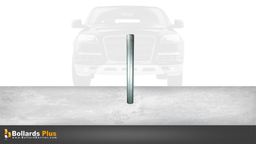
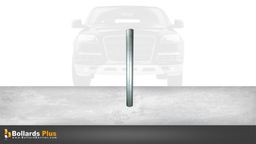
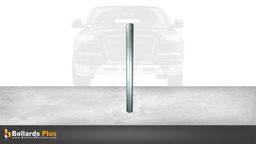
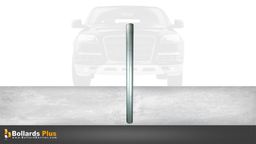
The most common length is 72 inches. This length provides a typical installation with approximately 36 inches above grade and 36 inches embedded in concrete, which is a standard configuration for many commercial projects.
An 84-inch length is also popular because it provides additional flexibility for varying embedment depths or taller above-grade installations.
3. Are 4″ bollards easier to install than larger bollards?
Yes. Because of their smaller diameter and lighter weight, 4″ steel pipe bollards are generally easier to handle and install than larger bollard sizes. This can simplify installation and also reduce freight costs when shipping large quantities to a project site.
4. Can 4″ steel pipe bollards be installed in soil, asphalt, or concrete?
4″ steel pipe bollards can be installed in soil, asphalt, or concrete, but concrete installation is strongly recommended for most applications. Concrete footings provide the structural stability needed for vehicle protection, while soil or asphalt installations typically do not offer the same level of strength or long-term durability.
5. How deep should a 4″ steel bollard be installed?
Inground bollards are typically installed several feet below grade in reinforced concrete footings, with embedment depth depending on the level of protection required. Many installations place approximately one-third to one-half of the bollard length below ground to provide adequate stability. Typical depths seen are 24", 36" and in rare cases for 4" bollards 48".