Skip to Content

Freight Delivery Overview and Shipping Guidelines

The And’s, If’s, and But’s of Shipping

When it comes to shipping your order, we don’t cut corners. Every shipment is carefully packaged, protected, and handled with the same level of attention we would give if we were delivering it ourselves. Our goal is simple: your order arrives on time, intact, and exactly as expected.

That said, freight shipping involves several moving parts that extend beyond simply placing an order. Factors such as carrier requirements, delivery location type, equipment availability, and scheduling all play a role in how smoothly a delivery is completed. Because of this, setting clear expectations upfront is essential.

A thorough understanding of shipping terms, delivery requirements, and potential accessorial fees helps prevent unexpected costs, missed deliveries, or unnecessary delays. It also allows both our team and yours to properly prepare for receiving the shipment, ensuring the right equipment, access, and timing are in place. By staying aligned throughout the process, we can create a more efficient, predictable, and successful delivery experience—for both you and us.
LTL vs. FTL: What’s the Difference?

Selecting the right shipping method is a key part of ensuring your order arrives efficiently, cost-effectively, and in the condition you expect. In freight shipping, the two most common options—LTL and FTL—each offer distinct advantages depending on the size of your order, your timeline, and your delivery requirements.

LTL (Less Than Truckload)

LTL shipments are designed for smaller orders that do not require the use of an entire trailer. Your shipment will share space on a standard tractor-trailer with other freight heading in the same general direction. Because the cost of transportation is divided among multiple shipments, LTL is typically the most economical option for lighter or lower-volume orders.

However, because LTL freight moves through a network of terminals, it is often handled multiple times during transit. This can include transfers between trucks and additional stops along the route, which may slightly increase transit times and the potential for minor delays. LTL shipping is best suited for customers who are looking for a cost-effective solution and have some flexibility in delivery timing.

FTL (Full Truckload)

FTL shipments are ideal for larger orders that can fill—or nearly fill—an entire truck. With this method, your shipment is the only freight on the trailer, allowing it to move directly from the pickup location to the delivery destination with minimal stops. Depending on the size, weight, and configuration of your order, this may involve a standard enclosed trailer or a flatbed.

Because FTL shipments are not transferred between terminals or combined with other freight, they typically offer faster transit times, reduced handling, and a lower risk of damage. While the upfront cost may be higher for smaller shipments, FTL often becomes more cost-effective as order size increases. It is the preferred option for large, heavy, or time-sensitive deliveries where efficiency and reduced handling are a priority.

Detention Fees

Detention charges can occur when a carrier is delayed beyond the allotted unloading time at the delivery location. Freight carriers typically allow a limited window—often around 30 minutes to an hour—for unloading once the truck arrives. If the driver is required to wait longer due to delays such as lack of equipment, restricted access, or unprepared receiving conditions, additional detention fees may be applied.

These charges are designed to account for the driver’s time and to keep delivery schedules on track. While they are common in freight shipping, they are also avoidable with proper preparation. Ensuring that your site is ready to receive the shipment, having the necessary equipment available (such as a forklift or lift gate service), and coordinating staff in advance can significantly reduce the risk of detention.

Clear communication and planning play a key role in avoiding these fees. By confirming delivery details ahead of time and preparing for timely unloading, you help ensure a smooth, efficient delivery process—keeping your shipment moving and avoiding unnecessary delays or additional costs.

Understanding Delivery Location Types

The type of delivery location plays a significant role in how your shipment is handled, scheduled, and priced. Freight carriers evaluate each delivery based on accessibility, required equipment, and the level of coordination needed to complete the drop-off safely and efficiently. While many shipments are delivered to standard commercial locations without issue, deliveries to more complex or restricted environments often require additional time, planning, and resources—resulting in added fees.

Understanding how your location is classified ahead of time is essential to avoiding unexpected charges or delays. By accurately identifying your delivery type, you help ensure the carrier is properly prepared with the right equipment and instructions, allowing for a smoother and more predictable delivery experience.

The following types of locations commonly incur additional delivery fees:

  • Construction sites

  • Gated or restricted access locations

  • Residential addresses (including apartment complexes and RV parks)

  • Hospitals and medical facilities

  • Self-storage facilities

  • Amazon facilities

  • Postal facilities

  • Airports

  • Churches

  • Schools

These locations are typically subject to additional charges because they may involve limited access, security protocols, tight delivery windows, or non-standard unloading conditions. In many cases, carriers must allocate extra time or make special arrangements to complete the delivery successfully.

It’s also important to note that even if a business operates out of a home or a non-traditional commercial setting, carriers may still classify the address as residential. This classification is determined by the carrier and can impact both pricing and delivery requirements.

By communicating your delivery location type in advance, you help minimize the risk of reclassification, unexpected fees, or delivery complications.

Lift Gate Deliveries

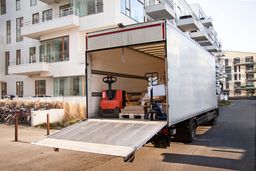
Lift Gate

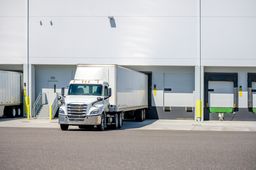
Bay Doors

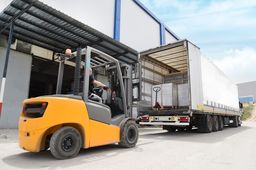
Forklift

Proper unloading is a critical part of the delivery process, and having the right equipment in place can make all the difference in ensuring your shipment is received safely and without delays. If your delivery location does not have access to a forklift or a dock-high bay door, a lift gate service will be required to complete the delivery.

A lift gate is a hydraulic platform attached to the back of the truck that allows the carrier to safely lower a shipment from trailer height to ground level. This service is essential for locations that are not equipped to handle standard freight deliveries and is one of the most common accessorial services requested—particularly for residential addresses or non-traditional receiving environments.

While lift gate service ensures your shipment is unloaded from the truck, it’s important to understand its limitations. The carrier’s responsibility is to lower the pallet to the ground and place it in the immediate unloading area, typically at or near the rear of the truck. They are not responsible for moving the shipment further into a building, job site, or specific placement location.

It’s also important to note that freight carriers do not allow customers to manually unload shipments by hand due to safety and liability regulations. If the appropriate unloading method is not available at the time of delivery—and a lift gate service was not arranged in advance—the carrier may proceed using a lift gate that was not originally requested, resulting in an additional fee, or may be unable to complete the delivery. In some cases, the shipment may be returned to the local terminal and require rescheduling for redelivery, which can lead to further charges and potential delays.

By identifying your unloading capabilities ahead of time and arranging for a lift gate service when needed, you help ensure a smooth, efficient delivery while avoiding unnecessary complications.

Picking Up from a Carrier Terminal

If receiving a delivery at your location is not feasible due to access limitations, scheduling constraints, or equipment availability, many freight carriers offer the option to pick up your order directly from their local distribution terminal. This alternative can provide added flexibility and, in some cases, help avoid certain delivery-related fees or complications.

While terminal pickup can be a convenient solution, it does require additional coordination to ensure a smooth and successful handoff.

Customers should be prepared for:

  • Advance coordination with the carrier, including required documentation and pickup authorization

  • Timely pickup once the shipment arrives at the terminal

  • Payment of any applicable handling, processing, or terminal fees

It is important to note that carrier terminals operate on specific schedules and procedures, and proper identification and paperwork will typically be required at the time of pickup. Additionally, most carriers allow only a limited window for pickup once the shipment has arrived.

Shipments that are not picked up within the designated timeframe may incur daily storage fees and, in some cases, could be subject to return or additional handling charges. To avoid delays or added costs, we recommend coordinating pickup details in advance and planning to retrieve your order promptly once it becomes available.

Delivery Appointments & Call Notifications

Many carriers offer the option to request a specific delivery appointment or a call-ahead notification, providing you with greater visibility and control over when your shipment arrives. While these services can be convenient, it’s important to understand how they may affect the delivery process.

Scheduling an appointment or requesting a call ahead often requires additional coordination with the carrier and can result in added fees. These services may also limit the carrier’s scheduling flexibility, which in some cases can extend transit times or affect the overall delivery window.

By carefully considering whether a delivery appointment or call notification is necessary, and by planning ahead, you can help ensure the process runs as smoothly and efficiently as possible. Our team is available to assist in coordinating these services and can provide guidance on whether an appointment or notification is appropriate for your shipment, helping you avoid unexpected delays or charges.

Specialized Shipping Services

While most deliveries follow standard procedures, certain shipments require additional care or handling to ensure a smooth and efficient delivery. Specialized shipping services, such as Inside Delivery and Sort & Segregate, provide extra convenience, organization, and protection for your order. These services are designed to address unique challenges—like tight spaces, complex orders, or specific placement needs—so your shipment arrives ready for immediate use without unnecessary delays or complications.

Inside Delivery

For locations where standard unloading is not enough, Inside Delivery service provides an extra level of convenience and care. With this service, the carrier will not only unload your shipment from the truck but also move it inside your facility, job site, or designated area—saving you time, effort, and the need for specialized equipment on your end.

Inside Delivery is ideal for locations without dock access, tight spaces, or situations where pallets or heavy items need to be positioned beyond the immediate unloading area. This service ensures your shipment is placed exactly where you need it, reducing the risk of damage and minimizing disruption to your workflow.

Sort & Segregate

Sort & Segregate services ensure that each component of your shipment is carefully organized and separated for easy access upon delivery. This service is especially valuable for large orders containing multiple products, different sizes, or custom configurations that require clear identification and handling.

With Sort & Segregate, the carrier arranges pallets, bundles, or packages according to your specifications, making unpacking, installation, or distribution faster and more efficient. This service reduces the risk of errors, misplacement, or confusion during the unloading process, saving you time and minimizing disruption to your operations.

Other Key Considerations for a Smooth Delivery

While our goal is always to provide a seamless and efficient shipping experience, there are several factors beyond standard procedures that can impact the delivery of your order. From the timing of your shipment and variability between carriers, to potential damage risks and unpredictable weather, understanding these details ahead of time helps ensure your order arrives safely, on time, and ready for use. By planning proactively and communicating your specific needs, you can avoid unnecessary delays, additional fees, and complications—making the delivery process smoother for everyone involved.

Weather & Freight Delays

While we take every precaution to ensure your shipment arrives safely and on time, freight deliveries can be affected by factors outside of anyone’s control—most notably, unexpected weather. Severe conditions such as heavy rain, snowstorms, ice, flooding, or high winds can impact highways, local roads, and freight terminals, sometimes causing delays in transit and affecting carriers’ schedules or access to delivery locations.

Understanding the potential impact of weather is an important part of planning your shipment. Delays may require rescheduling, rerouting, or additional handling, which can extend transit times and sometimes result in added costs. Being aware of these possibilities allows you to plan accordingly, adjust expectations, and coordinate with your team to minimize disruption.

Proactive communication with our team can help mitigate some weather-related challenges. Confirming delivery requirements, providing alternate access points when possible, and scheduling services such as lift gate or inside delivery in advance ensures your order is handled efficiently—even when conditions are less than ideal. While weather is unpredictable, preparation and understanding go a long way in maintaining a smooth, safe, and reliable delivery experience.

Shipping Rates & Order Timing

The timing between when a shipment is initially estimated and when it is finalized can have a substantial impact on the cost and logistics of shipping. Many carriers only honor quoted rates for a limited period—often as short as a week—so rates provided during an initial estimate may no longer apply once the order is officially processed. This is especially important for heavy, oversized, or specialty freight, where even small changes in pricing factors can result in noticeable cost differences.

If there is a significant gap between receiving a shipping estimate and confirming the order, adjustments in the shipping rate are common due to fluctuations in fuel costs, carrier pricing updates, seasonal demand, or other market factors. Delays in finalizing orders can also affect carrier availability, transit schedules, and even accessorial service options, which may further influence the final shipping cost and delivery timeline.

Understanding this timing and planning accordingly is essential to avoid unexpected charges, delays, or logistical complications. Coordinating your order promptly, providing all necessary delivery details, and confirming any special handling or accessorial services in advance helps ensure that your shipment is processed efficiently and at the most accurate rate possible.

Minimizing Damage Risk

Alongside preventing delays, protecting your shipment from damage is a top priority. Heavy, oversized, or specialty freight can be vulnerable if proper precautions and handling procedures aren’t in place. Missing critical details or special handling requirements can increase the risk of damage, potentially leading to costly and time-consuming resolutions, including returns, replacements, or additional handling fees.

It’s important to inspect your shipment upon delivery and note any damage with the delivery personnel, including taking detailed photos. This ensures any loss is properly addressed and covered. While we take every measure to package and palletize orders securely, accidents can occasionally occur.

Proactive preparation is the most effective way to protect your order. Understanding your delivery requirements, coordinating services, and communicating special handling instructions in advance, you reduce the likelihood of damage and help ensure your shipment arrives safely, on time, and ready for immediate use.

Variability Between Carriers and Delivery Personnel

It’s important to understand that every carrier operates differently, and even within the same carrier, individual delivery personnel may handle shipments in unique ways. How additional fees, accessorial charges, or special handling requirements are applied can vary not only between carriers but sometimes from one driver to another. Factors such as delivery location, equipment availability, and interpretation of specific instructions can all influence how a shipment is processed and delivered.

Because of this variability, clearly communicating your delivery requirements in advance is critical. Providing detailed instructions for lift gate needs, inside delivery placement, or sorting and segregating services helps ensure your shipment is handled consistently and according to your expectations. While carriers strive for uniformity, proactive coordination with both our team and the carrier minimizes the risk of unexpected fees, delays, or complications.

Shipping Details: Their Matter and Importance

Shipping heavy or specialized products involves more than simply moving an order from point A to point B—it requires careful planning, coordination, and attention to the small but important details that ensure your order arrives safely, on time, and ready for use. From lift gate requirements to delivery location types, accessorial services, and freight classifications, every element plays a role in the overall success of your shipment.

While many additional services or accessories can be added after a shipment has been booked, doing so at the last minute is often far more costly than including them upfront. Last-minute changes can create complications for the carrier, our team, and you as the customer, sometimes resulting in damages, delays, extra fees, or even disputes. These situations are easily avoidable with proactive communication and a clear understanding of your delivery needs before the shipment is scheduled.

Our mission is to make shipping as seamless and stress-free as possible. By sharing key information in advance and understanding the terms, requirements, and options available, you help us ensure that your order is handled efficiently, delivered safely, and ready for immediate use—without unnecessary complications or surprises along the way. Proper planning benefits everyone involved, making the shipping process smoother, more predictable, and ultimately more satisfying for you.

Why Bollards Plus?

  • Clear, upfront guidance on all freight terms, fees, and delivery requirements.

  • Flexible shipping options, including LTL, FTL, lift gate service, and terminal pickup.

  • Proactive planning to prevent delays, unexpected costs, or delivery complications.

  • Expert support from start to finish—helping every order arrive safely, efficiently, and ready for use.

Final Thoughts

Freight shipping is a powerful and reliable solution for transporting heavy, oversized, or specialty products, but its success relies on careful preparation and clear communication. Every order has unique requirements, from the type of freight and delivery location to special handling needs and timing considerations. Taking the time to understand these factors in advance helps prevent delays, avoid unexpected fees, and ensures your shipment arrives exactly as planned.

Our goal is to make the shipping process as effortless and predictable as possible for you. By coordinating with carriers, confirming requirements, and planning for any special services ahead of time, we can create a smooth, efficient delivery experience that protects both your order and your peace of mind.

If you have any questions or are uncertain about the specifics of your shipment, our team is always available to provide guidance. We are committed to helping you navigate the process, optimize your delivery, and ensure your order is handled with the care and attention it deserves from start to finish.

Serving Every Industry, Everywhere

We proudly serve clients in all 50 states, with high-volume demand in major metro regions, including:

  • West Coast: Los Angeles, San Diego, San Francisco, Portland, Seattle

  • Midwest: Chicago, Minneapolis, Detroit, St. Louis

  • Northeast: New York City, Boston, Philadelphia, Washington D.C.

  • South: Dallas, Houston, San Antonio, Atlanta, Miami

  • Mountain West: Denver, Phoenix, Salt Lake City, Las Vegas

No matter the application, we build solutions designed to protect people, property, and critical equipment — and we deliver them coast-to-coast.

Explore Our Service Areas